The Human Rights Council concerns itself with the violations of basic human rights, as defined by The Universal Declaration of Human Rights, around the Earth. It is one of the General Assembly committees but it also has an indirect influence on the Security Council as it often resolves the same conflicts.
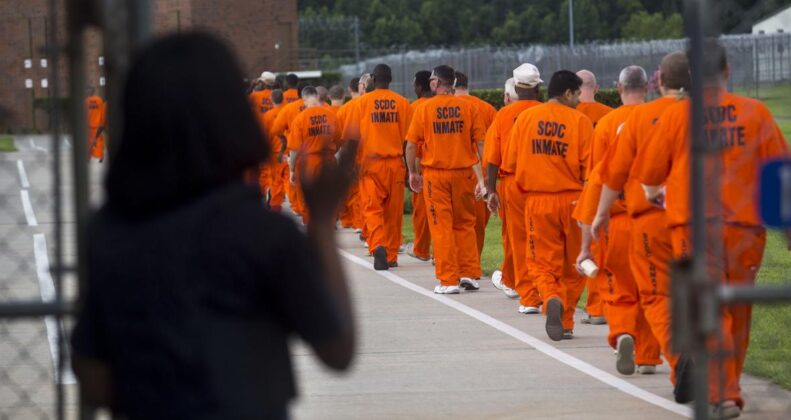
TOPIC 1: Rights of prisoners
The protection of prisoners’ rights is a fundamental component of international human rights law, as outlined in instruments such as the UN Standard Minimum Rules for the Treatment of Prisoners (the Nelson Mandela Rules). Despite this, many prison systems worldwide suffer from overcrowding, inadequate healthcare, violence, and lack of legal safeguards. Vulnerable groups, including political prisoners, juveniles, and minorities, are particularly at risk. Delegates must address how to improve detention conditions, ensure access to justice, and strengthen monitoring mechanisms, while balancing state sovereignty and security concerns. The issue also raises broader questions about criminal justice reform and alternatives to incarceration.
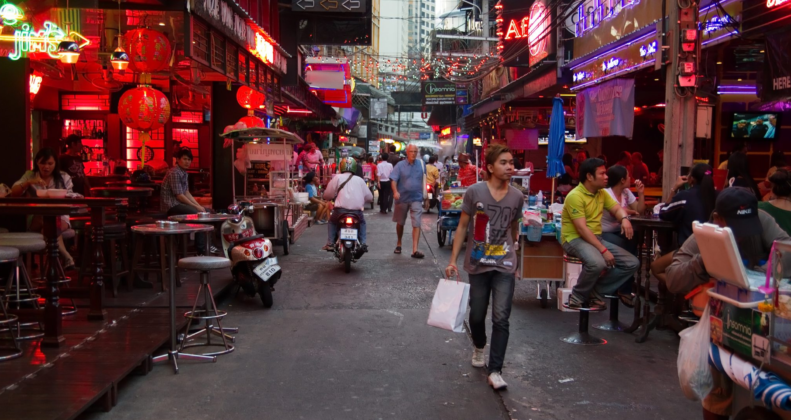
TOPIC 2: Impacts of sexual tourism
Sexual tourism, often linked to human trafficking and exploitation, disproportionately affects women and children in economically vulnerable regions. Weak law enforcement, corruption, and socio-economic inequalities contribute to the persistence of this issue. Beyond individual crimes, sexual tourism undermines human dignity and perpetuates cycles of abuse. Delegates are tasked with examining preventive strategies, such as education and economic development, as well as legal measures to prosecute offenders, including extraterritorial jurisdiction. International cooperation and victim protection frameworks will be central to the debate.