
ADVANCED COMMITTEE
The Historical Security Council runs by the same rules and structures as the Security Council, albeit one significant difference. It is moved to the past. In the Historical Security Council, delegates relive, influence, and potentially alter the outcome of key historical events. Therefore, delegates represent countries that existed tens of years ago. This way they can delve deeply into their interesting histories.
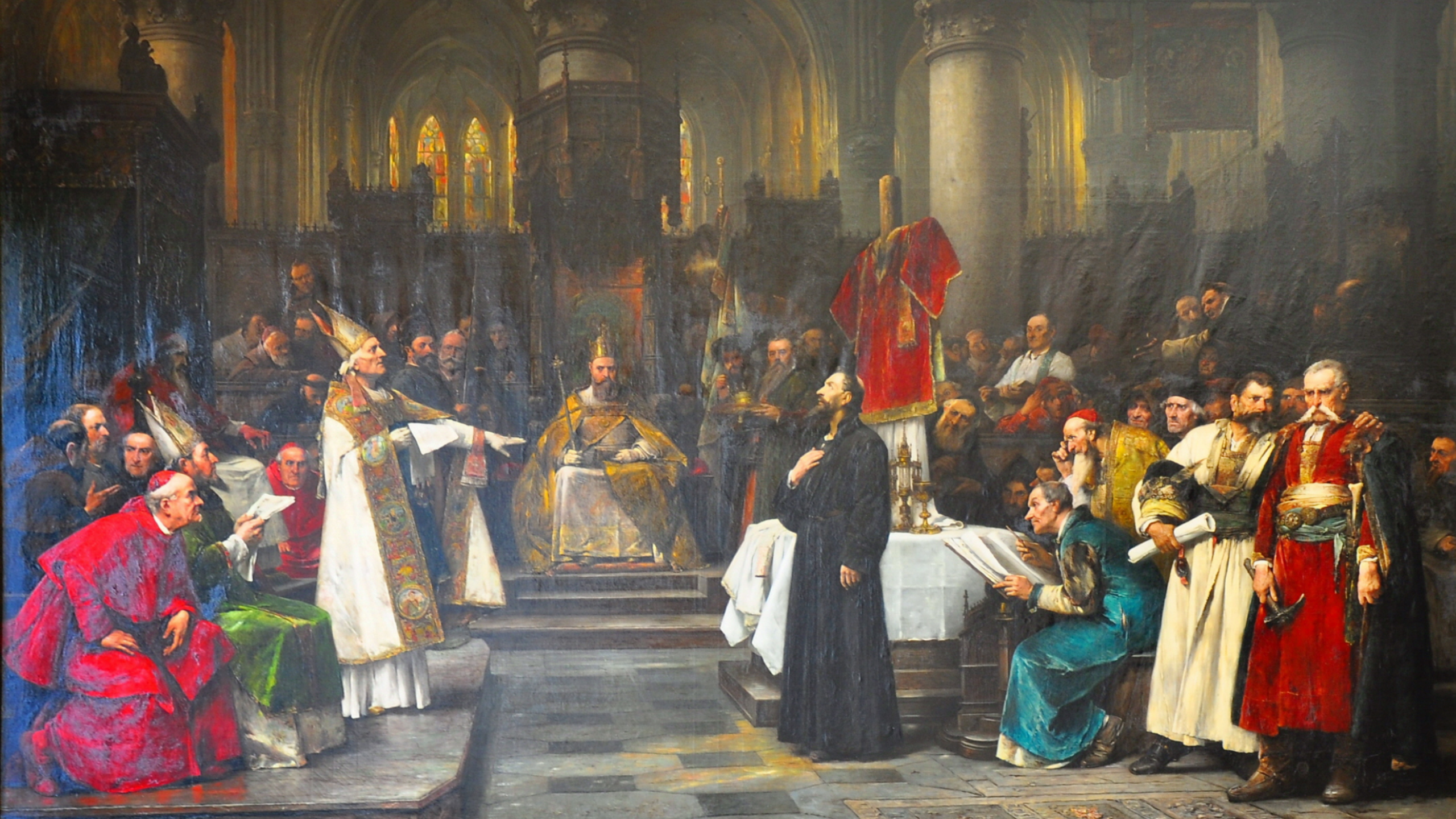
TOPIC 1: Council of Constance – discussing the issue of Papal Schism
The Western Schism (1378–1417) was a major crisis within the Catholic Church, during which multiple individuals simultaneously claimed to be the legitimate pope, dividing Europe along political and religious lines. This division weakened the authority of the Church and intensified rivalries between emerging European powers, each supporting different papal claimants. The Council of Constance was convened to resolve this crisis, ultimately leading to the resignation or deposition of rival popes and the election of a single pontiff. Delegates must navigate complex alliances, balance secular and religious authority, and determine how unity can be restored without further destabilizing Europe.COUNTRY MATRIX:
Advanced: Democratic People’s Republic of Korea, French Republic, Lao People’s Democratic Republic, The Commonwealth of Australia, The Kingdom of Thailand, The Republic of Cuba, The Republic of India, The Republic of Korea, The Republic of Philippines, The United Kingdom of Great Britain and Northern Ireland
Expert: North Vietnam, People’s Republic of China, South Vietnam, Soviet Union, United States of America
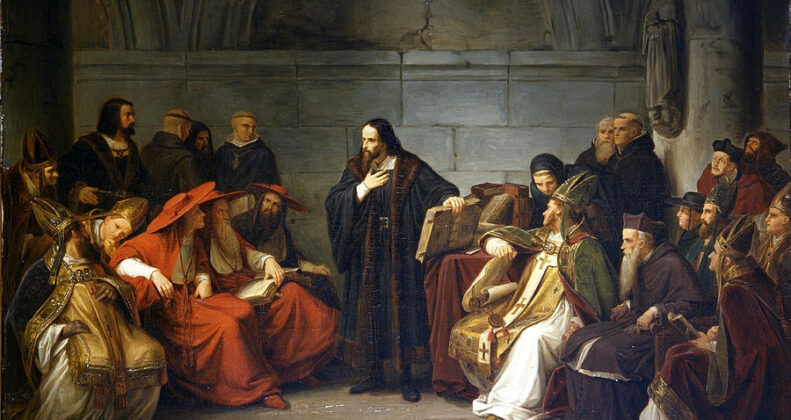
TOPIC 2: Council of Constance – the hearing of Jan Hus before the council
Jan Hus, a Czech theologian and reformer, criticized corruption within the Church and called for greater religious reform, inspired in part by earlier thinkers such as John Wycliffe. His teachings gained widespread support but were seen as a threat to Church authority. Summoned to the Council of Constance under the promise of safe conduct, Hus was ultimately tried for heresy. Delegates must consider the balance between maintaining religious unity and addressing legitimate calls for reform, as well as the political consequences of suppressing dissent. Decisions made in this council will have lasting implications for religious authority and stability in Europe.COUNTRY MATRIX:
Intermediate: Pierre Cauchon; Frederick I, Elector of Brandenburg; Nikolaus of Dinkelsbühl; Dietrich of Nieheim; Robert Hallum
Advanced: Francesco Zabarella; Guillaume Fillastre; Louis III, Elector Palatine; Jean Allarmet de Brogny; Oddo Collona (Martin V.); Henry of Langenstein
Expert: Sigismund, Holy Roman Emperor; John XXIII – Jan Hus*; Gregory XII – Jerome of Prague *; Benedict XIII – Jan of Chlum*; Pierre d’Ailly; Jean Gerson
Explanatory note : * Delegates listed with two names (e.g., John XXIII – Jan Hus) will assume distinct roles across the two topics, representing the first assigned entity in Topic 1 and the second in Topic 2