TOPIC 1: Discussing the issue of ageing populations in first world countries
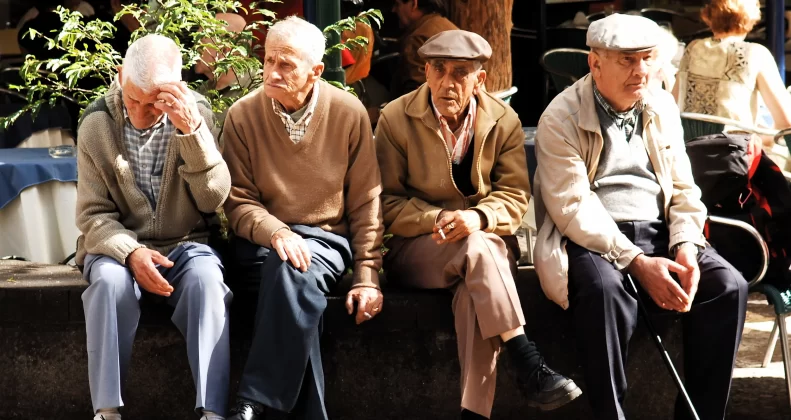
The global increase in life expectancy and declining birth rates have led to rapidly ageing populations, particularly in developed countries but increasingly in developing regions as well. This demographic shift places pressure on healthcare systems, pension schemes, and labor markets. Challenges include the rising prevalence of chronic diseases, the need for long-term care, and ensuring quality of life for older individuals. Delegates must consider sustainable healthcare models, policies promoting active and healthy ageing, and international cooperation to address disparities between countries with varying resources.
TOPIC 2: Addressing the antibiotics resistance crisis
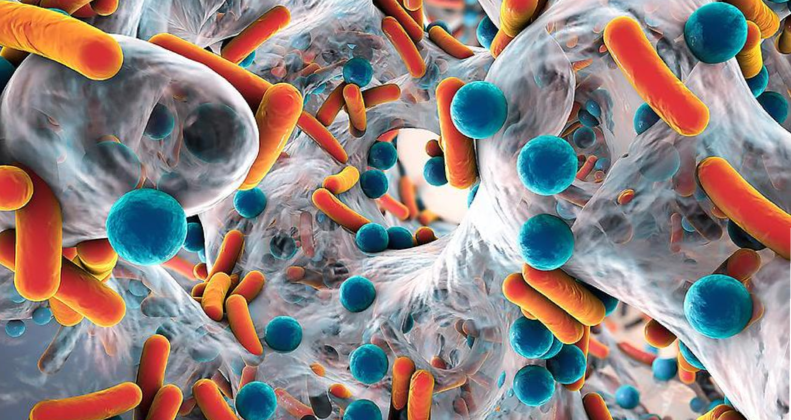
Antimicrobial resistance (AMR) is one of the most pressing global health threats, driven by the overuse and misuse of antibiotics in both human medicine and agriculture. As bacteria evolve to resist existing treatments, common infections may become untreatable, threatening modern medical procedures such as surgeries and chemotherapy. The issue requires coordinated global action, including regulating antibiotic use, investing in new drug development, and improving surveillance systems. Delegates must also consider inequalities in access to healthcare and medicines, ensuring that solutions are both effective and equitable.
Country matrix:
Beginner: Belgium, Nigeria, Canada, Mexico, Indonesia, Spain, Norway, Australia, Sweden
Intermediate: South Korea, Turkey, Brazil, Netherlands, Japan, Switzerland, Italy
Advanced: USA, France, China, UK, Russia, Saudi Arabia, India, South Africa, Singapore